The Impact of Architecture on Emotion
The design of a casino begins with its architecture, which plays a crucial role in influencing the emotions of visitors. The grand entryways, high ceilings, and intricate facades create a sense of awe and luxury. This emotional high can trigger the release of dopamine in the brain, leading to positive feelings associated with joy and excitement. By utilizing expansive lobbies and impressive staircases, casinos draw people in and instill an impression of opulence that primes them for the experiences that lie ahead, including exciting gaming options like 1win where they can enjoy a variety of games that enhance their visit.
Moreover, the use of colors and materials in casino architecture is carefully curated to evoke specific emotional responses. For instance, warm colors like red and gold are often employed to promote a lively atmosphere, encouraging players to stay longer. The textures and finishes of surfaces also play a role; plush carpets and elegant finishes make players feel comfortable and relaxed. This combination of aesthetics not only enhances the appeal of the environment but also subtly influences spending behavior by making visitors feel at home.
Additionally, the flow of the casino is designed to maximize engagement. Open spaces and winding paths encourage exploration, leading players deeper into the gaming areas without realizing how much time has passed. This design strategy keeps players in a state of curious anticipation, unraveling the casino’s offerings as they navigate through the space. By understanding the connection between their physical environment and emotional responses, casino designers craft experiences that keep patrons interested and invested in their surroundings.
Lighting as a Psychological Tool
Lighting is one of the most powerful tools in casino design, as it holds the ability to manipulate mood and behavior. Bright, colorful lights are strategically placed to attract attention and create a festive, energizing atmosphere. Neon lights often outline gaming tables and machines, serving as beacons that pull players toward them. This sensory stimulation can enhance excitement and draw individuals into engagement, as the visual appeal of the space creates an immediate response that is difficult to resist.
Conversely, softer and dimmer lighting is used in specific areas to create intimacy and encourage social interaction. Lounges and bars within the casino often leverage warm lighting to foster a relaxed atmosphere where guests can unwind and socialize. This design tactic acknowledges the significant role of social interactions in the gambling experience; when players feel comfortable and connected, they may be more inclined to indulge in longer gaming sessions or additional spending.
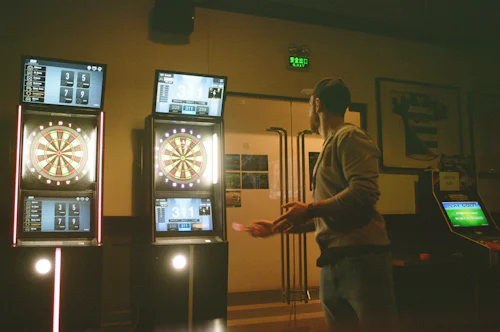
The combination of dynamic lighting and changing environments also plays a crucial role. For example, as night falls, the atmosphere can transform from energetic brightness to a more subdued elegance, creating a sense of progression in the experience. This makes guests feel as if they are part of an ongoing event. By intentionally manipulating lighting, casinos are able to maintain a lively ambiance while also guiding the emotional journey of their patrons throughout their visit.
The Role of Sound in Creating an Immersive Experience
Sound design is another critical aspect that shapes the psychological experience within a casino. The auditory environment is often a mix of sounds that contribute to the overall atmosphere, such as the chimes of slot machines, the roar of excitement from nearby tables, and background music that sets the tone. These sounds are meticulously curated to create a symphony of stimuli that encourage players to feel invigorated and engaged. The various noises amplify the excitement and drama associated with gambling, making each win feel more significant and memorable.
Moreover, familiar sounds can evoke emotional responses that enhance the gaming experience. For instance, the jingling coins or celebratory tunes played after a slot machine payout can trigger a sense of accomplishment and pleasure. This emotional reinforcement encourages players to continue playing, as they associate these sounds with positive experiences. The psychological impact of sound is profound, transforming what could be a sterile environment into a dynamic landscape where players feel rewarded simply by engaging with the gaming options.
Beyond gaming sounds, the choice of background music is deliberately chosen to match the energy levels of the casino’s design. Upbeat tempos can fuel a sense of urgency and excitement, while slower melodies may help guests relax during pauses in gameplay. This tailored auditory experience is essential in maintaining an environment that encourages players to linger, socialize, and ultimately spend more within the casino. By fine-tuning sound, casino designers harness the power of auditory stimuli to enhance every patron’s journey.
Casino layout is a fundamental aspect of design, affecting how patrons navigate the space and interact with one another. The strategic arrangement of games, dining options, and entertainment areas is meticulously planned to guide foot traffic in a way that maximizes exposure to gaming opportunities. Designers often create a sense of discovery, where players stumble upon new games and nooks that encourage them to explore further. This intentional flow can keep guests engaged and immersed in the experience, often leading to longer visits.

Another significant factor in layout design is the spatial relationship between games and amenities. By positioning popular slot machines and tables near food and beverage services, casinos create a synergistic effect that encourages extended playtime. When patrons can access refreshments without leaving the gaming area, they are less likely to take breaks, allowing them to maintain their focus and momentum. This seamless integration of gaming and leisure spots is designed to keep the excitement alive and build a more satisfying overall experience.
The effective use of signage and navigation elements also plays a crucial role in layout design. Clear signage helps patrons easily locate their favorite games and facilities, minimizing frustration and enhancing their experience. Casinos often employ vibrant, visually appealing signs that resonate with the overall theme of the venue, providing both direction and stimulation. By considering the layout and flow of the casino, designers create an environment that feels cohesive and seamless, ultimately enhancing the patrons’ experience while encouraging them to linger and play longer.
Exploring Casino Design Through Digital Platforms
The rise of digital platforms has led to an intriguing exploration of casino design concepts. Many developers now replicate the psychological principles used in physical casinos within virtual environments, ensuring that the same engaging tactics are applied in online gaming. These digital spaces use vibrant graphics, dynamic sound effects, and user-friendly layouts that mirror their physical counterparts in order to attract players. This approach underscores a broader trend in gaming, where the psychological dynamics of interaction remain pivotal regardless of the medium.
Online casinos cleverly incorporate elements that evoke feelings similar to those experienced in brick-and-mortar facilities. For example, the sound of spinning reels and the visual excitement of animations upon winning create an immersive experience that keeps players engaged. They also optimize their user interface to be intuitive, ensuring that users can easily navigate through games and find options that capture their interest. This design focus is crucial for retaining players and keeping their interaction with the platform as engaging as possible.
As digital casinos continue to grow, they also reflect the importance of community and social interaction in gaming. Many platforms integrate chat functions, allowing players to communicate while engaging in games, akin to the social interactions found in physical casinos. This blend of social and gaming elements ensures that the psychological appeal of connection and competition remains alive in an evolving landscape. By understanding the principles behind casino design, both digital and physical platforms can create compelling experiences that appeal to the desires of players.
Need Help With Your Marketing?
H2 Marketing Agency helps startups and growing businesses get real results from digital marketing. Let's talk.
Book Free Strategy Call